


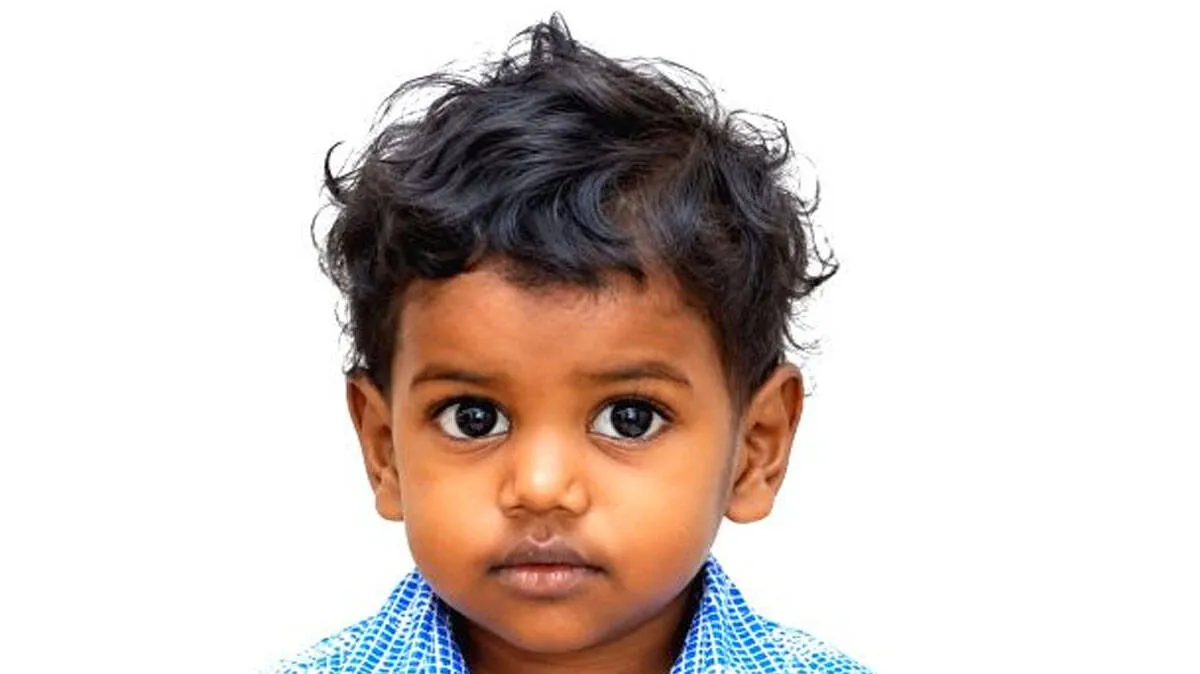
The recurrence of starvation deaths, as in the darkest periods of the past, despite society’s progress in every sphere, is a disgrace. Although the post-mortem report states that two-year-old Rahul, who died in Haripad, succumbed to malnutrition, his death must be regarded as a starvation death caused by his parents’ cruel neglect. This tragic incident makes a mockery of the social and healthcare progress Kerala claims to have achieved. A two-year-old child should weigh at least 12 kg, but Rahul weighed just seven kg. He died at home without proper care or food while his mother was in hospital for her seventh delivery. Neighbours, members of the Child Welfare Committee, panchayat officials and others were aware that the parents led an irresponsible life and that the children were living in deplorable conditions.
It is necessary to examine carefully why the various attempts to rescue the children failed. The mother often thwarted those who tried to intervene by threatening to commit suicide. In such circumstances, the authorities should not withdraw from the situation and leave the family to its fate. Intervention at a higher level, including by the District Collector, is essential. Although the mother had given birth to seven children in ten years, the parents had not even taken the trouble to obtain birth certificates or Aadhaar cards for any of them. None of the older children attended school. There are also allegations that attempts were made to collect money by using the children as a pretext.
The eldest child, who was ten years old, was looking after the other children. Reports suggest that the children were not given proper meals and were fed biscuits mixed with black tea. Another child in the family had died under similar circumstances six years ago. This incident cannot be blamed on the parents alone; the negligence of the authorities concerned also played a major role. It was only after the child's death became a subject of controversy that all the surviving children were taken into the care of government institutions. The most regrettable aspect is that the authorities waited until a child's life had been sacrificed before taking action. The family had repeatedly moved from one rented house to another, a fact known to the local administration, ASHA workers and others. Yet the delay in moving the children to a place of safety and taking action against their parents was a clear dereliction of duty.
The District Child Protection Officer had requested a month earlier that the children be moved to a safe place, yet no urgent action was taken. Such requests should not be held up by bureaucratic red tape. It must be investigated why those responsible for protecting children failed to intervene and resolve the situation, despite the existence of government mechanisms specifically intended for this purpose. Exemplary action must also be taken against those who failed in their duties. The only source of consolation is that the remaining children were finally taken into the care of the Child Welfare Committee following the intervention of Child Welfare Minister Bindukrishna. Grassroots social monitoring mechanisms must be made more effective and strengthened to prevent such incidents from recurring.












 HOME
 LATEST
 NOTIFIED NEWS
 POLL
 KERALA
 EDITORIAL
 INDIA
 WORLD
 BUSINESS
 CINEMA
 SPORTS
 LIFESTYLE
 SPECIAL
 SCIENCE & TECHNOLOGY

 |